

The Best Things to Do in Scotland: A Complete Guide for First-Time Visitors

Blog 25 May 2026

Planning your first trip to Scotland can feel impossible. With dramatic Highland landscapes, centuries-old castles, world-famous whisky distilleries, island adventures, historic cities, and some of the most scenic road trips in Europe, narrowing down what to include in your itinerary is no easy task.

The good news is that Scotland is surprisingly accessible for travellers visiting for the first time. In just one week, you can experience a remarkable mix of history, culture, nature, and local hospitality without feeling rushed, especially if you plan your route carefully or travel with experienced local guides who know the country well.

Whether you are dreaming of exploring the Scottish Highlands, visiting the Isle of Skye, doing a food tour of local favourites, discovering filming locations from Outlander and Harry Potter, or simply enjoying a dram of whisky beside a roaring fire, this guide covers some of the very best things to do in Scotland for first-time visitors.

Explore Scotland’s Iconic Castles

No first visit to Scotland would be complete without exploring at least one of the country’s legendary castles.

Scotland is home to more than 2,000 castles, ranging from dramatic cliffside fortresses to elegant royal residences and ruined strongholds hidden deep within the Highlands. Many of them have stood for centuries and played important roles in Scotland’s turbulent history of clan rivalries, royal intrigue, and battles for independence.

For many visitors, Edinburgh Castle is the natural starting point. Sitting high above the city on an extinct volcano, the castle dominates Edinburgh’s skyline and offers an excellent introduction to Scottish history. Inside, you can explore the Crown Jewels of Scotland, the Great Hall, St Margaret’s Chapel, and sweeping views across the capital.

For those craving an insight into Scotland’s past, Stirling Castle is equally impressive and is often considered one of the most historically important castles in the country. Positioned between the Highlands and Lowlands, it was once a key royal residence and played a central role during the Wars of Scottish Independence.

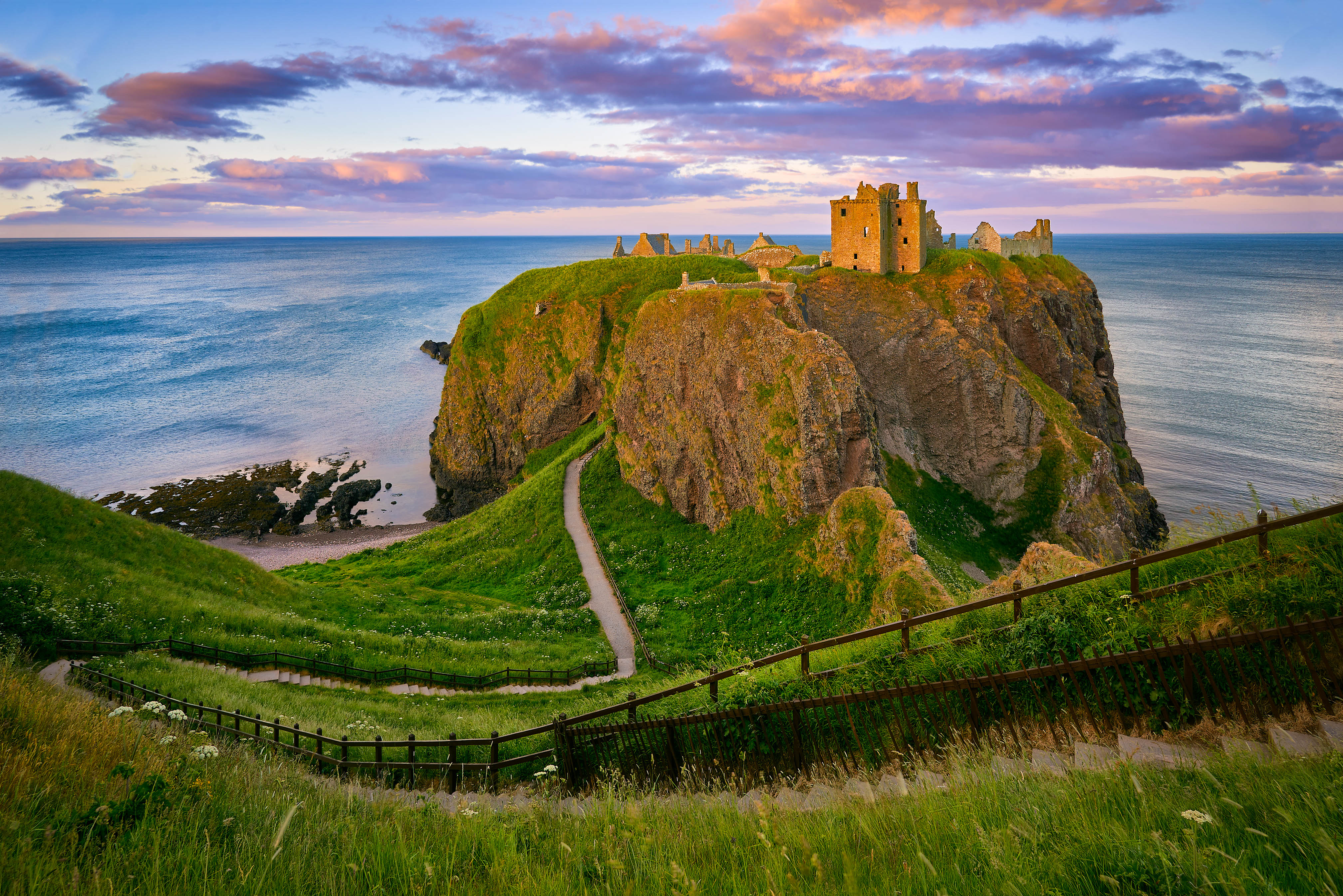
Beyond Scotland’s cities, the Highlands are home to some of the country’s most dramatic and atmospheric castles. Eilean Donan Castle, set at the meeting point of three sea lochs in the west Highlands, is one of Scotland’s most iconic landmarks and a favourite among photographers. On the east coast, Dunnottar Castle sits perched on rugged cliffs overlooking the North Sea, creating a striking setting that feels steeped in centuries of history and legend.

If you are short on time, many different guided day tours focus on Scotland's historic castles. They can be a great way to explore many of Scotland’s best historic sites in a single trip while learning the stories behind them from knowledgeable local guides.

Edinburgh Castle viewed from the esplanade.

Visit the Scottish Highlands

For many travellers, the Highlands are the highlight of any trip to Scotland.

Stretching across the northern half of the country, the Scottish Highlands are known for dramatic mountains, ancient glacier-carved glens, mirror-like lochs, and winding roads that pass through some of the most spectacular scenery in Europe. This is the Scotland that many visitors imagine before they arrive.

The Highlands are also deeply connected to Scottish identity and culture. Clan history, Gaelic traditions, folklore, and centuries-old communities remain woven into everyday life across the region.

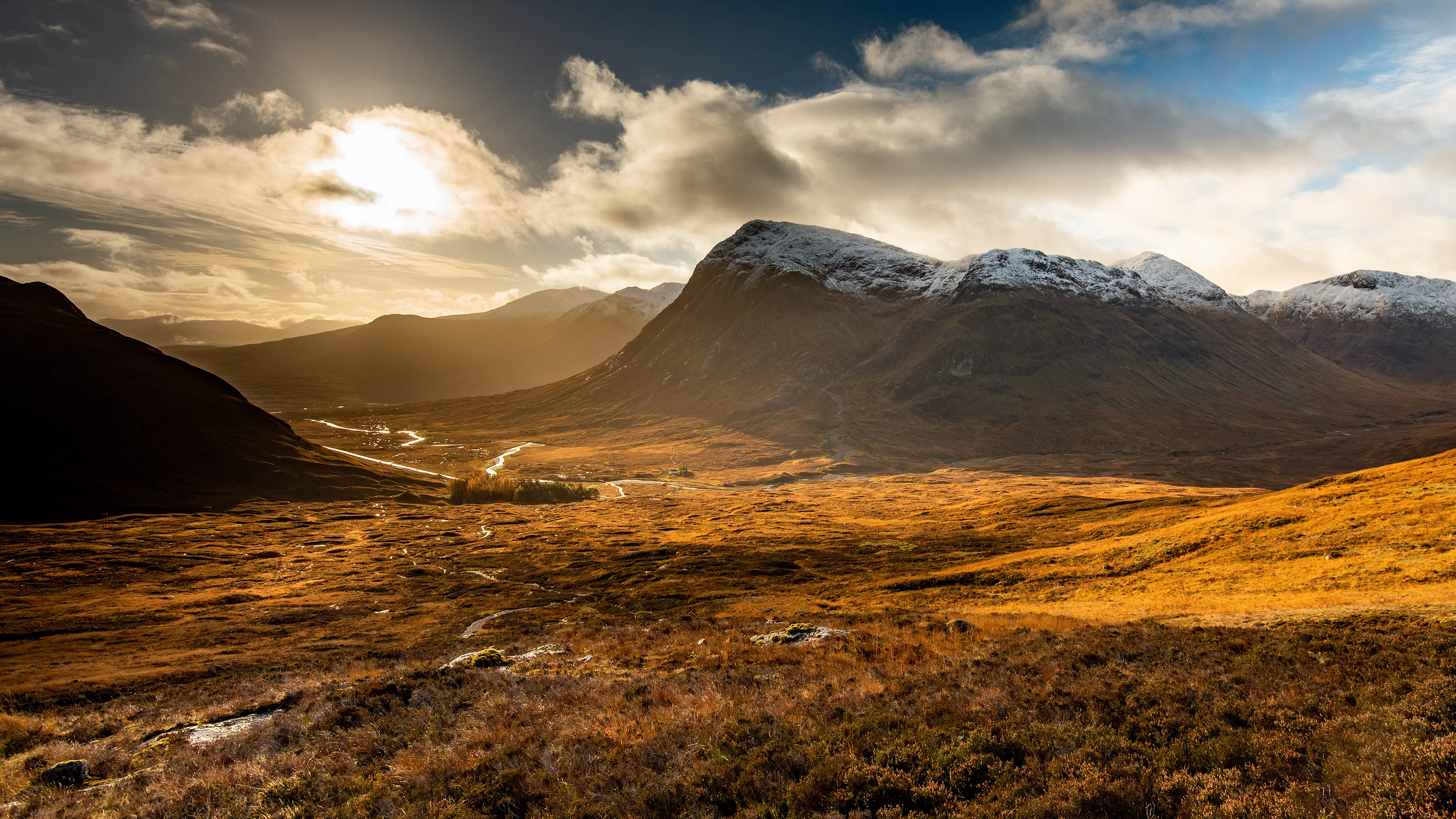
One of the most famous areas is Glencoe, a valley renowned for its towering mountains and haunting beauty. The landscape here was shaped by volcanic activity and glaciers thousands of years ago, creating one of the most recognisable scenes in Scotland. The dramatic landscapes are known to most for their appearances in numerous films and television productions, including Skyfall, Harry Potter, and Outlander.

Loch Ness is another must-see destination for first-time visitors. While many arrive hoping to catch a glimpse of the famous monster, Nessie, the loch itself is genuinely impressive. At over 700 feet deep, it is the largest body of freshwater in the UK by volume, containing more water than all the lakes in England and Wales combined. It is surrounded by beautiful Highland scenery, the remnants of the Ancient Caledonian Forest, and historic castles, making it one of the most iconic and unmissable places to visit in Scotland.

Travelling through the Highlands independently can be rewarding, but distances are often larger than visitors expect, and many Scottish roads are narrow, winding, and not for the faint of heart. For first-time travellers, a guided Highlands tour offers a more relaxed way to experience the region, so you can take in more of the Highland highlights without having to worry about the winding roads. 

Glencoe heading towards sunset

Discover the Isle of Skye

Few places capture the imagination quite like the Isle of Skye.

Connected to mainland Scotland by bridge, Skye is famous for its rugged landscapes, coastal cliffs, mist-covered mountains, and picturesque fishing villages. It is one of the country’s most visited destinations, and with good reason.

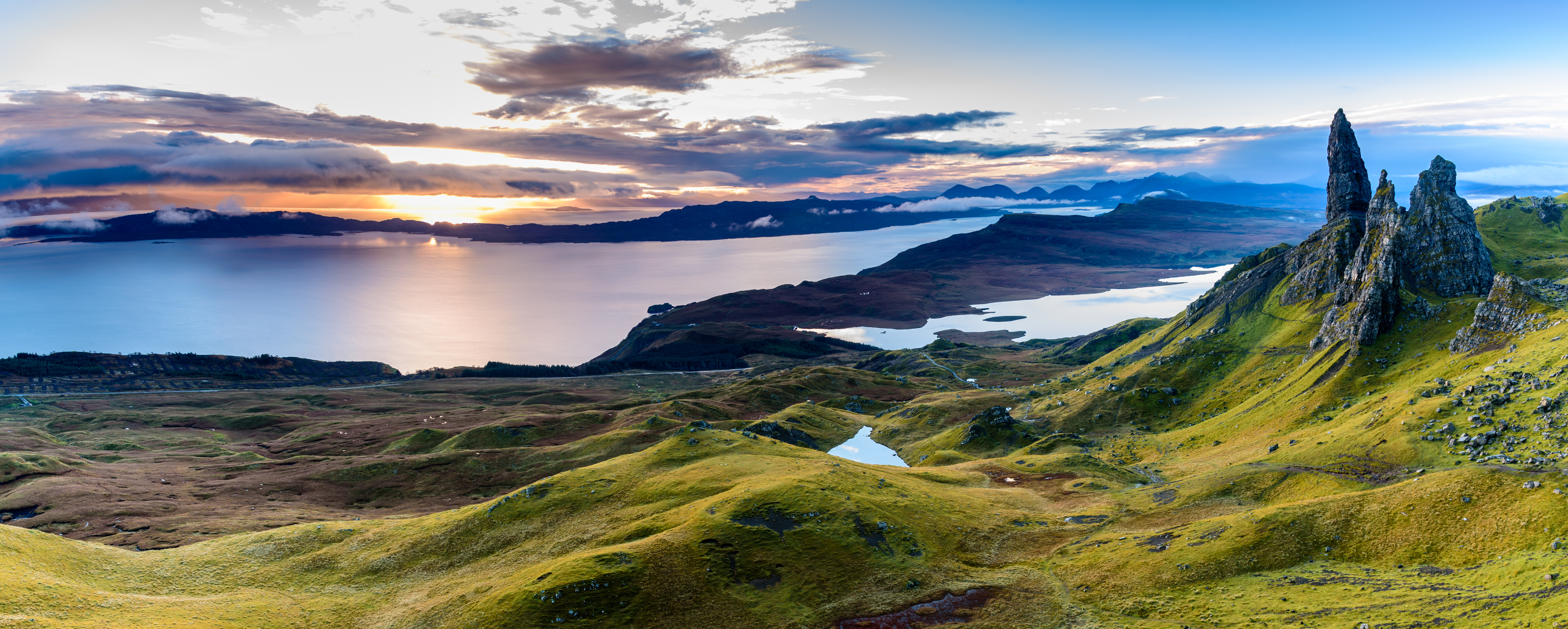
The island offers a remarkable variety of scenery within a relatively compact area. In the north, the Trotternish Peninsula is home to some of Skye’s most iconic landscapes, including the Quiraing, the Old Man of Storr, and Kilt Rock. These dramatic rock formations and viewpoints are the origin of many of Scotland’s most iconic folktales and have become world-famous among photographers and hikers alike.

On the western side of the island, Neist Point Lighthouse offers sweeping ocean views and spectacular sunsets, while the colourful harbour town of Portree provides an ideal base for exploring the island and immersing yourself in the local culture.

Skye is also an excellent destination for food and whisky lovers. Fresh seafood, locally sourced produce, and small independent businesses are central to the island’s culture – ranging from locally owned food trucks to world-renowned Michelin star restaurants, the Misty Isles are a food lover's paradise. Nearby distilleries offer visitors the chance to sample traditional Scottish whisky and experience unique sensory tours in unforgettable environments.

Because there is so much to see, many visitors underestimate how much time Skye deserves. While it is possible to visit on a long day trip, spending several days exploring the island allows for a far more rewarding experience. For those looking to pack as much into their trip as possible, we highly recommend an extended tour, which allows plenty of time to enjoy some of the lesser-known areas both on and around the island. 

A view from the Old Man of Storr.

Experience Scotland’s Whisky Culture

Whisky is woven into Scotland’s history, economy, and identity, and experiencing it firsthand is one of the best ways to connect with Scottish culture during your visit.

Scotland’s whisky regions each produce distinctly different styles. Speyside is known for smooth and fruity whiskies, Islay is famous for smoky and peaty flavours, and the Highlands offer a broad variety of styles influenced by local landscapes and traditions.

Even if you are not a whisky enthusiast, visiting a distillery can still be fascinating. Many tours explore the social and cultural settings along with the craftsmanship behind whisky production, from traditional copper stills to centuries-old maturation methods.

For visitors staying in Edinburgh, there are some fantastic tours, like The Johnny Walker Experience, that provide an accessible introduction to Scotland’s national drink, while newer urban distilleries, like the Port of Leith, offer a more contemporary perspective on whisky production.

The national drink also plays an important role in Scottish hospitality. Sharing a dram has long been associated with storytelling, celebrations, and welcoming guests, making whisky experiences feel deeply connected to local culture rather than simply tourism.

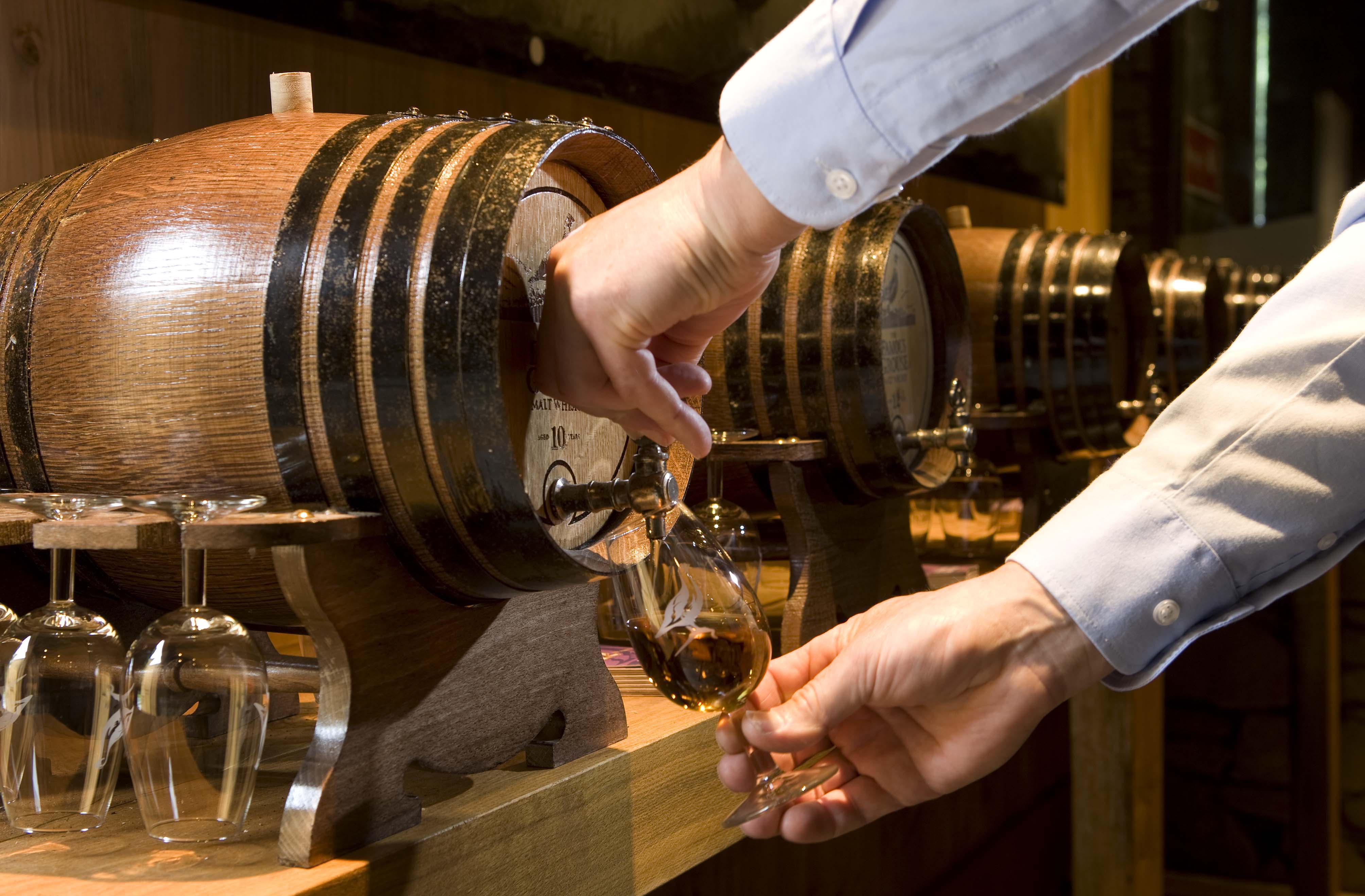
Glenturret whisky from our Ultimate Whisky Experience

Visit Famous Filming Locations

Scotland’s landscapes and cities have appeared on screens around the world for decades, and visiting famous filming locations has become increasingly popular with travellers.

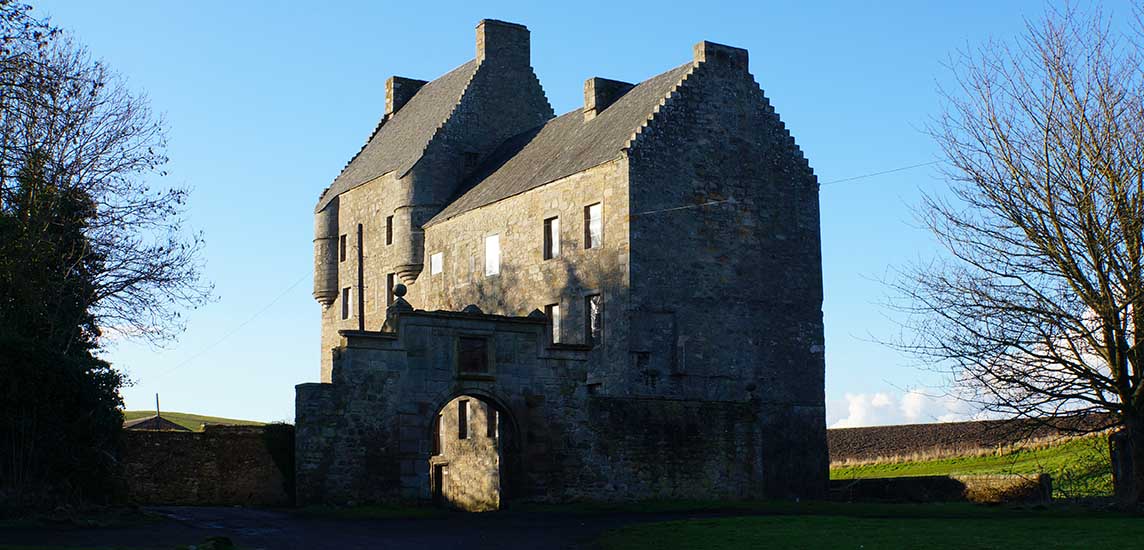
Outlander has introduced millions of viewers to Scotland’s castles, villages, and landscapes. Locations such as Culross, Doune Castle, Falkland, and Midhope Castle have become favourite destinations for fans of the series looking to walk in the steps of Claire and Jamie Fraser.

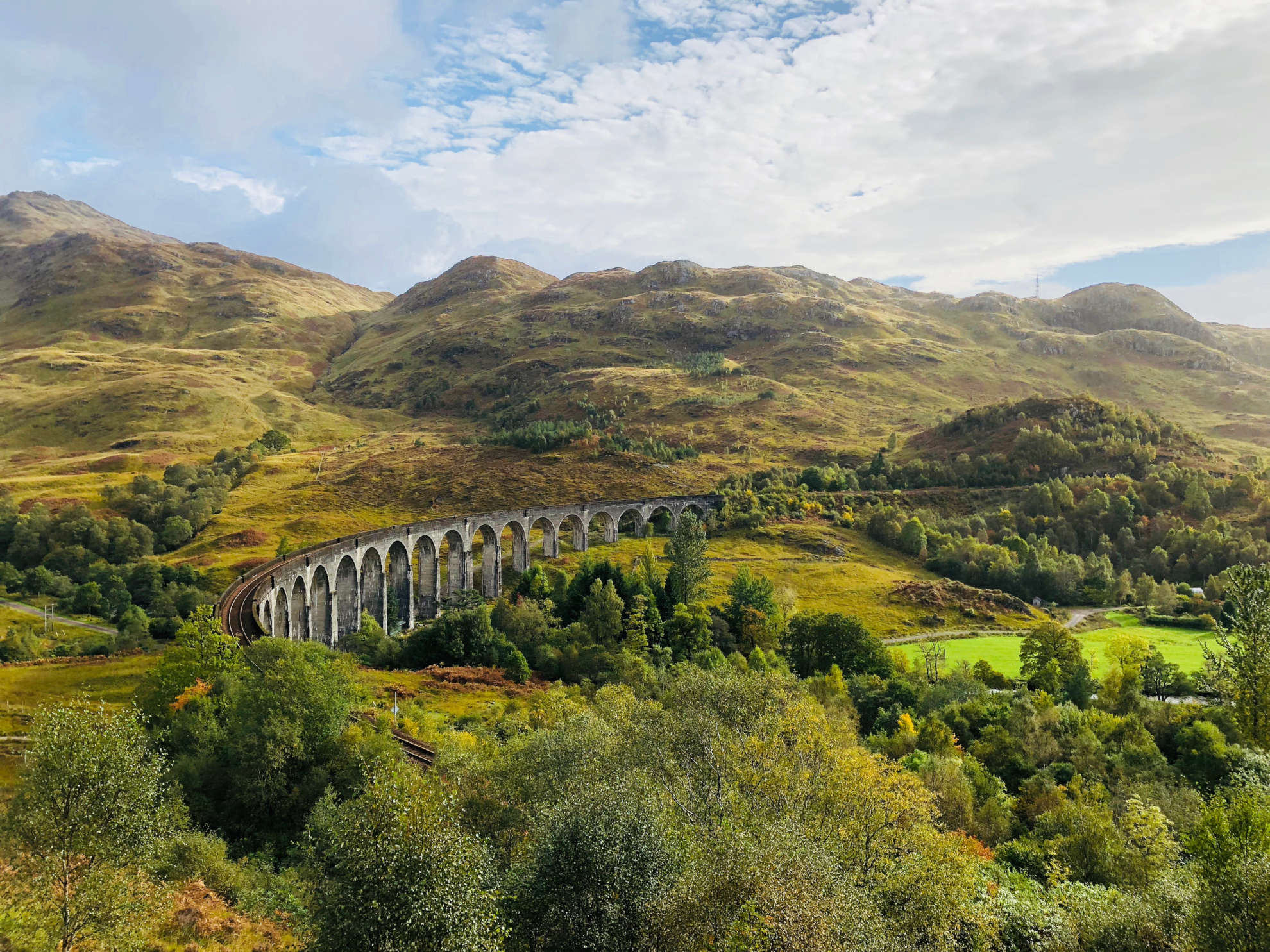
Harry Potter enthusiasts often travel to Glenfinnan to see the famous viaduct crossed by the Jacobite Steam Train, passing through Glencoe and Rannoch Moor, whose dramatic scenery has inspired filmmakers for generations. While Edinburgh and Glasgow continue to offer beautiful settings for blockbuster movies and TV series, like Spider-Man: Brand New Day and One Day.

What makes Scotland particularly appealing for filmmakers is the incredible diversity of landscapes within relatively short distances. Medieval streets, rugged coastlines, mountains, forests, and historic castles can all be reached within a few hours of one another, meaning you can visit many of the most iconic filming locations of Scotland all within a day.

Midhope Castle, the filming location of Lallybroch in Outlander.

Take a Day Trip to Glasgow

While Edinburgh often receives most of the attention from first-time visitors, accounting for 70% of all of Scotland’s tourism, Glasgow offers a completely different side of Scotland and is well worth adding to your itinerary.

Known for its Victorian architecture, live music scene, impressive museums, and famously friendly locals, Glasgow has a vibrant energy that contrasts beautifully with Edinburgh’s medieval atmosphere.

The city is home to several outstanding free museums and galleries, including the Kelvingrove Art Gallery and Museum, the Riverside Museum, and the Gallery of Modern Art. For a more active art experience, there's the famous Mural Trail, a collection of 30 street murals painted on the side of vacant sites all across the city, inspiring both tourists and locals to explore the entire city and uncover its hidden gems.

Glasgow is also one of the UK’s great music cities, with live performances taking place every night across venues ranging from traditional pubs to major concert halls. Whether you’re looking for an intimate pub playing traditional folk music or a bustling bar filled with dancing and revelry, Glasgow has plenty of options for you to experience true Scottish hospitality.

Fortunately, travelling between Edinburgh and Glasgow is straightforward. Trains run frequently between the two cities, making Glasgow an easy and rewarding day trip for visitors based in the capital. To make it even easier, we've compiled a list of some of our favourite attractions across the city.

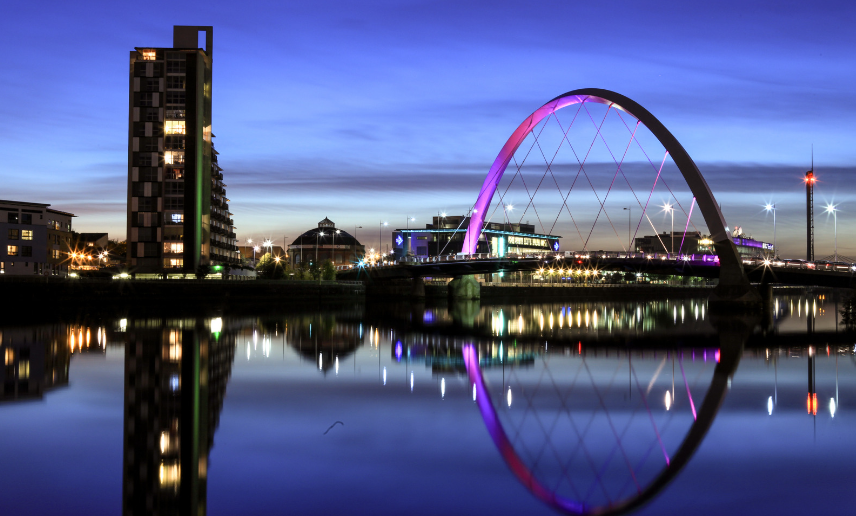
Glasgow skyline seen from the River Clyde

Meet Some Highland Cows

For many visitors, spotting Highland cows is an essential part of any Scotland trip.

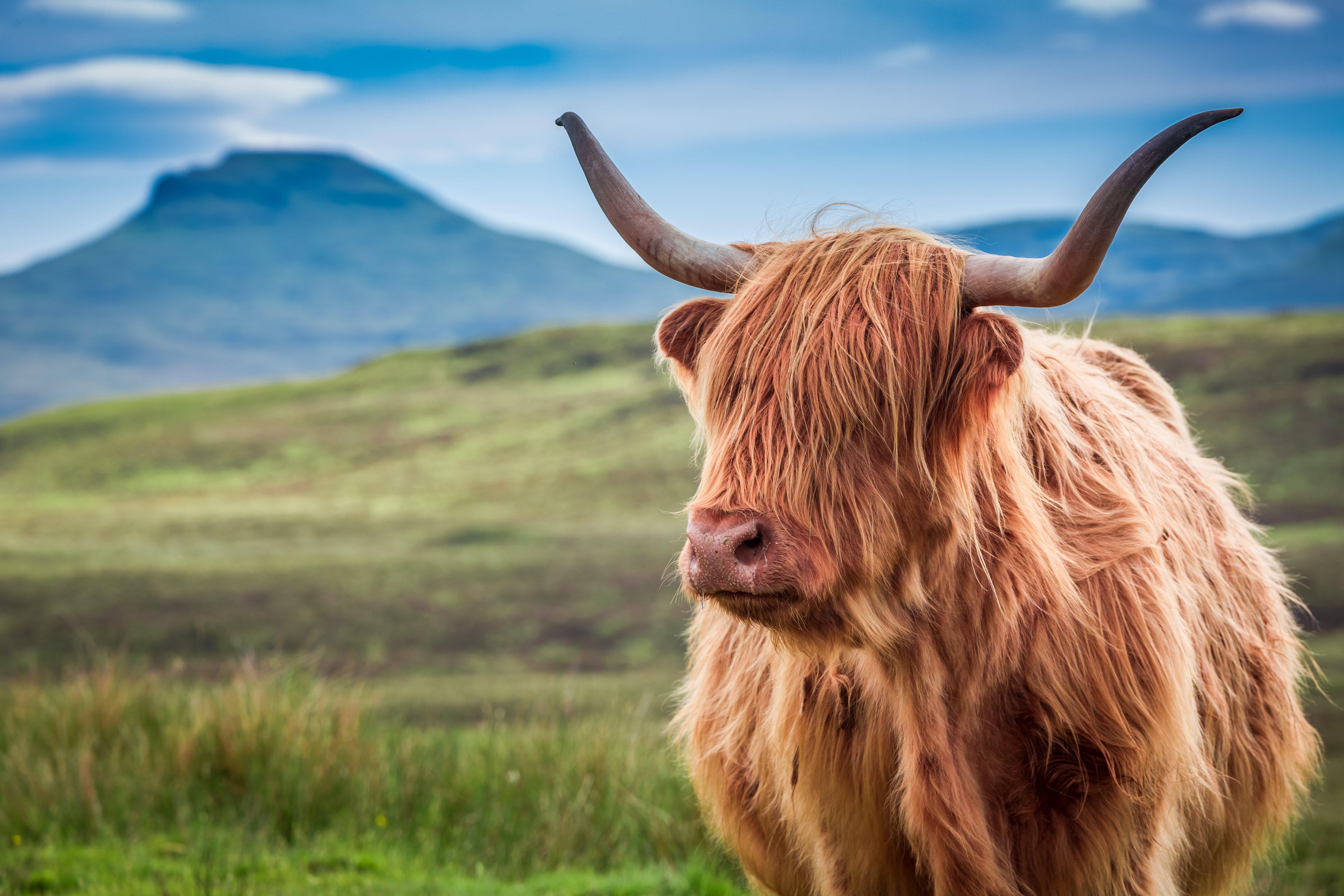
Known affectionately as “hairy coos,” these iconic animals are instantly recognisable thanks to their long horns and shaggy coats designed to withstand Scotland’s harsh weather conditions.

Originally bred in the Highlands and Western Isles, Highland cattle are one of the oldest registered cattle breeds in the world and have become a symbol of rural Scotland.

Although many visitors expect to find them deep in the Highlands, Highland cows can often be spotted surprisingly close to cities such as Edinburgh and Glasgow, particularly around rural farms and visitor stops along popular touring routes.

While sightings can never be guaranteed, guided tours through the Highlands often provide excellent opportunities to see them safely and responsibly. We’re even lucky enough to have our own sponsored Highland Cow at The Blair Drummond Smiddy Farm Shop that some of our passengers will be able to meet on our tours. 

A highland cow grazing in the Scottish countryside

Learn About Scotland’s History

Scotland’s history stretches back thousands of years, and one of the most rewarding aspects of travelling here is discovering how deeply the past remains connected to the present.

Across the country, you will find evidence of ancient civilisations, medieval conflicts, royal dynasties, Jacobite uprisings, and industrial innovation.

Historic sites such as Culloden Battlefield provide insight into  the final Jacobite Rising of 1745, while ancient standing stones are still used in Pagan rituals to this day, and prehistoric villages reveal human settlement dating back thousands of years.

The country’s cities also tell fascinating stories. Edinburgh’s Old Town preserves medieval street layouts, hidden closes, and a royal heritage, while Glasgow reflects Scotland’s industrial rise during the nineteenth century, and its continued presence as a leader in culture and industry.

For visitors interested in clan history, genealogy, or Scottish ancestry, travelling through the Highlands can be particularly meaningful. Many families with Scottish roots find that visiting ancestral regions or clan homes offers a powerful connection to their heritage.

One of the best ways to understand Scottish history is through local storytelling. Experienced guides often bring places to life in ways that books and guidebooks simply cannot replicate.

Dunnottar Castle, the historic home of Clan Keith

Spot Wildlife Along Scotland’s Coastlines and Highlands

Scotland is one of the best destinations in the UK for wildlife enthusiasts.

From golden eagles soaring above Highland glens to dolphins along the Moray Firth coastline, the country offers remarkable opportunities to encounter native species in their natural habitats.

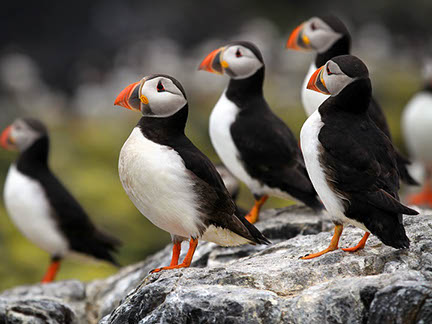
On the west coast and islands, visitors may spot seals, puffins, red deer, otters, and even whales during certain times of year. Puffin season, which typically runs from spring into early summer, is especially popular with wildlife photographers who tour John O'Groats hoping to capture the Atlantic birds returning to nest and feed their chicks.

Scotland has two major protected zones, the Cairngorms National Park and Loch Lomond and the Trossachs National Park. Both are excellent destinations for wildlife spotting, home to species such as red squirrels, red deer, mountain hares, capercaillie, and the incredibly rare Scottish Wild Cat.

Responsible tourism plays an increasingly important role in protecting Scotland’s landscapes and ecosystems. Many local tourism businesses now support conservation organisations working to restore native woodlands and protect endangered species across the country.

Even during a short visit, taking time to slow down and appreciate Scotland’s wildlife can become one of the most memorable parts of the journey.

Final Thoughts: Planning Your First Scotland Trip

Scotland may be relatively small, but the sheer variety of experiences packed into the country is extraordinary.

In a single trip, you can explore ancient castles, travel through dramatic Highland scenery, visit world-famous filming locations, sample traditional whisky, discover vibrant cities, and experience genuine local hospitality.

For first-time visitors, the key is balancing iconic destinations with enough time to properly enjoy them. Rather than trying to see everything at once, focus on a route that combines a few major highlights with opportunities to experience Scotland at a slower pace.

Whether you choose to travel independently or join a guided tour led by expert local guides, Scotland is a destination that rewards curiosity, conversation, and exploration. Many visitors arrive expecting beautiful scenery, but leave remembering the stories, history, and people they encountered along the way.

And for most travellers, one visit is never quite enough.